10 Reasons Why People Hate Cheap Fireplace UK


Affordable Fireplaces in the UK: A Comprehensive Guide
Fireplaces have long been a focal point of warmth and comfort in homes, providing a cozy atmosphere during the cooler months. Nevertheless, with Best Fireplace UK dealing with monetary restraints, the need for cheap fireplaces in the UK has acquired considerable traction. This article aims to explore numerous budget friendly choices, aspects to consider when buying, installation details, and upkeep suggestions to ensure longevity and security.
Types of Cheap Fireplaces
When browsing for a cost effective fireplace, several types are available that cater to different spending plans and home styles. Below is a list of some common classifications of inexpensive fireplaces:
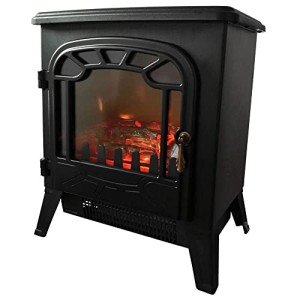
1. Electric Fireplaces
- Overview: These fireplaces use electricity to generate heat and simulate the look of genuine flames.
- Pros: No emissions, easy setup, and adjustable heat settings.
- Cons: Higher electric expenses, not suitable for all aesthetics.
2. Gas Fireplaces
- Summary: Rely on natural gas or propane to produce genuine flames.
- Pros: Efficient heat output, instantaneous heat, and typically featured remote controls.
- Cons: Requires gas line installation, which may sustain extra costs.
3. Wood-Burning Stoves
- Overview: These traditional fireplaces burn wood logs to produce heat and ambiance.
- Pros: Lower running costs if wood is sourced in your area, genuine experience.
- Cons: Requires more upkeep, a chimney system, and sourcing fire wood.
4. Bioethanol Fireplaces
- Introduction: Use bioethanol to create real flames without being linked to a flue.
- Pros: Portable, simple to establish, and produces little smoke.
- Cons: Limited heat output and can be expensive if used frequently.
5. Inserts and Surrounds
- Summary: Inserts or surrounds are normally contributed to existing chimney areas to update or optimize a fireplace.
- Pros: Cost-effective ways of updating an old fireplace, increased efficiency.
- Cons: Initial setup expense may differ, and not all homes are suitable.
Table 1: Comparison of Cheap Fireplaces
| Type | Typical Cost (₤) | Operating Cost | Installation Difficulty | Visual Appeal |
|---|---|---|---|---|
| Electric | 100 - 500 | Low | Easy | Moderate |
| Gas | 300 - 700 | Moderate | Moderate to Difficult | High |
| Wood-Burning | 150 - 600 | Low to Moderate | Moderate to Difficult | High |
| Bioethanol | 200 - 800 | Moderate | Easy | High |
| Inserts/Surrounds | 200 - 1,000 | Differs | Moderate | High |
Elements to Consider When Choosing a Cheap Fireplace
When selecting a cheap fireplace, a number of factors must be taken into consideration to make sure that the purchase lines up with your home's needs and budget plan:
Space and Size
- Evaluate the size of the space where the fireplace will be set up. Larger rooms may require more effective heating choices, whereas smaller sized areas may gain from compact electric or bioethanol models.
Fuel Type
- Select in between electric, gas, wood, or bioethanol based upon accessibility, individual preference, and local guidelines regarding emissions and security.
Installation Requirements
- Consider whether the fireplace needs comprehensive installation work, such as venting and chimney construction, which can substantially increase expenses.
Cost of Operation
- Calculate the ongoing fuel or electrical power expenses to preserve heat throughout the cold weather.
Aesthetic Design
- Choose a fireplace that matches the existing design of your home, whether modern, traditional, or rustic.
Upkeep Tips for Your Fireplace
Once a cheap fireplace is installed, appropriate maintenance is vital for security and durability. Here are some essential upkeep ideas:
- Schedule Annual Inspections: For gas and wood-burning fireplaces, it's vital to have an annual assessment to look for gas leaks or blockages in the chimney.
- Routine Cleaning: Dust and maintain electric fireplaces and clear out ash from wood-burning ranges to avoid fire hazards.
- Appropriate Fuel Storage: For wood-burning ranges, store firewood in a dry area to make sure efficient burning and avoid mold growth.
- Use Quality Fuel: Always use ideal fuel for gas and bioethanol fireplaces to avoid excess soot and emissions.
- Install Carbon Monoxide Detectors: For gas or wood-burning models, install detectors to guarantee that any leak of harmful gases is rapidly identified.
FAQs
1. What is the least expensive type of fireplace?
Electric fireplaces are normally amongst the most inexpensive options, providing a series of prices that can fit most budgets.
2. Can I set up a fireplace myself to save money?
While some electric and bioethanol fireplaces can be easily set up without professional aid, gas and wood-burning models usually need installation by a certified service technician to guarantee safety.
3. How long do electric fireplaces last?
Electric fireplaces can last for many years with appropriate care, typically around 10-15 years, depending upon use and the quality of the unit.
4. What is the most efficient fireplace?
Gas fireplaces tend to be the most efficient, offering immediate heat with controlled emissions.
5. How do I understand if my fireplace is safe to use?
Routine inspections, appropriate cleansing, and ensuring that there are no obstructions or leaks can assist maintain safety in any kind of fireplace.
Discovering a cheap fireplace in the UK doesn't mean jeopardizing on style or security. With a wide array of choices offered-- from electric to wood-burning models-- homeowners can delight in a warm and inviting atmosphere without breaking the bank. By understanding the different fireplace types, considering essential aspects before making a purchase, and maintaining the fireplace appropriately, individuals can invest carefully for several years of enjoyment.